
The Haryana real estate market is facing a significant regulatory shakeup. A joint investigation by the Chief Minister’s Flying Squad and the Department of Town and Country Planning (DTCP) has placed Haryana’s self-certification OC policy under intense review.
┌────────────────────────────────────────────────────────┐
│               THE SELF-CERTIFICATION PROBE             │
├───────────────────────────┬────────────────────────────┤
│   Properties Audited      │  22 Premium Residential    │
├───────────────────────────┼────────────────────────────┤
│   Violations Uncovered    │  14 Incomplete Skeletal    │
├───────────────────────────┼────────────────────────────┤
│   Architects Penalised    │  15+ Facing Blacklisting   │
├───────────────────────────┼────────────────────────────┤
│   Total OCs Audited       │  1,500+ Regional Approvals │
└───────────────────────────┴────────────────────────────┘
The probe uncovered widespread anomalies where developers received an Occupation Certificate (OC) for properties that were structurally incomplete. For property investors and homebuyers in micro-markets like Gurgaon, this ongoing investigation significantly alters the risk assessment of buying newly built or secondary-market floor residences.
What the Joint DTCP and CM Flying Squad Investigation Uncovered
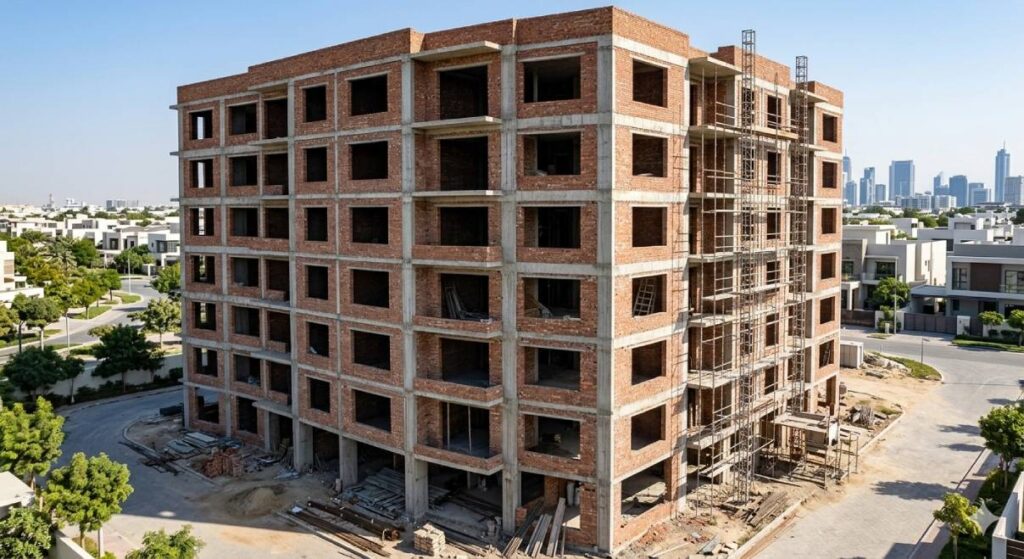
The self-certification OC policy, which was introduced in November 2022, allowed empanelled private architects to clear low-risk plotted housing. This framework bypassed the mandatory physical inspections historically completed by government junior engineers. The streamlined process aimed to clear backlog applications within eight working days.
However, a strict field audit across licensed colonies exposed severe systemic loopholes:
- Skeletal Structures Approved: In high-end pockets like Sector 70A (BPTP Astaire Gardens, Imperial, Green Oaks), 14 out of 22 inspected buildings possessed OCs despite being bare brick structures.
- Missing Essentials: Multiple units completely lacked standard internal plastering, flooring, plumbing, or functional kitchens.
- Widespread Anomalies: Discrepancies were noted across premium developments in Ansal Esencia, South City-1, South City-2, and Sector 61.
- Accountability Failures: Empanelled architects exploit the system because the DTCP only audits a random 10% sample of all self-certified files via automated software.
Consequently, over 1,500 Occupation Certificates granted since mid-2025 are being actively scrutinised, and more than 15 architects face blacklisting and criminal prosecution.
Pros and Cons of Haryana’s Self-Certification Regime

To fully understand the market impact, property investors must weigh the initial structural intent of this policy against the practical drawbacks revealed by the enforcement teams.
The Advantages (The Intent)
- Elimination of Red Tape: Drastically reduced corruption and administrative delays by cutting out multiple tiers of departmental verification.
- Faster Asset Handover: Enabled honest developers to transfer legal possession to property buyers immediately after completion.
- Boosted Market Liquidity: Allowed swift register tracking and immediate resale transitions in high-demand residential sectors.
The Disadvantages (The Reality)
- Severe Structural Vulnerabilities: Compromises structural safety, as buildings are certified fit for habitation without verification of load-bearing stability.
- Financial Risk Exposure: Buyers face immense financial liability if the state cancels their property’s OC due to builder-architect collusion.
- Infrastructure Deficiencies: Many certified developments lack basic public amenities, formal electricity connections, or required fire safety clearances.
Critical Action Guide for Property Buyers and Investors
With the DTCP actively compiling cancellation lists, property buyers in Gurgaon and the wider Haryana region must protect their capital. Do not rely solely on the presence of an online certificate.
  ┌────────────────────────────────────────────────────────┐
  │              BUYER DUE DILIGENCE CHECKLIST             │
  ├────────────────────────────────────────────────────────┤
  │ [ ] Cross-verify OC legitimacy on the official GMDA    │
  │     or ULB Haryana digital portals.                    │
  │                                                        │
  │ [ ] Review the structural stability paperwork and the  │
  │     original approved building plans.                  │
  │                                                        │
  │ [ ] Conduct a comprehensive, physical on-site check    │
  │     to ensure 100% construction completion.            │
  │                                                        │
  │ [ ] Retain legal counsel to verify whether the private  │
  │     architect is currently facing blacklisting.        │
  └────────────────────────────────────────────────────────┘
- Verify Through Official Portals: Confirm that the property’s documentation matches records listed on the Town and Country Planning Department Haryana platform.
- Perform Physical Inspections: Ensure that the building is fully finished with functional sewage, water connections, and boundary walls before making a payment.
- Audit the Issuing Professional: Check if the architect who certified your residential unit is on the DTCP warning roster.
The Path Forward for Haryana Real Estate
The real estate sector will likely see stricter compliance frameworks. Senior town planners have confirmed that the department will intensify random spot audits well beyond the current 10% threshold. High-risk structures may soon require independent, empanelled third-party technical validations rather than simple self-approvals. While this crackdown could temporarily slow down property handovers, it will ultimately create a safer, more transparent investment landscape for legitimate buyers.
Navigating these changing regulatory frameworks requires expert guidance. For secure, fully vetted residential opportunities and comprehensive legal verification support across premium sectors, connect with our professional asset management team.
Contact our real estate investment experts directly via Phone or WhatsApp at +91-88-606060-77 for a completely free assessment of your property documentation.