The real estate landscape in Millennium City is on the verge of a major regulatory transition. In a significant collective effort, a delegation of more than 50 prominent landholders has formally requested a streamlined framework as property owners seek policy for commercial conversion of residential housing units. Presented directly to District Town Planner (Enforcement) Amit Madholia, this representation advocates for a structured legal pathway to regularise existing business operations instead of relying on heavy-handed enforcement crackdowns.
For investors, micro-market landlords, and corporate stakeholders in Gurugram real estate, this development marks a critical shift. It signals a move away from traditional zoning friction toward a pragmatic, revenue-aligned urban model. Let’s explore why this demand is gaining momentum and how a formal policy could reshape the Gurugram property market.
Why Gurugram Landlords Are Demanding Commercial Conversion
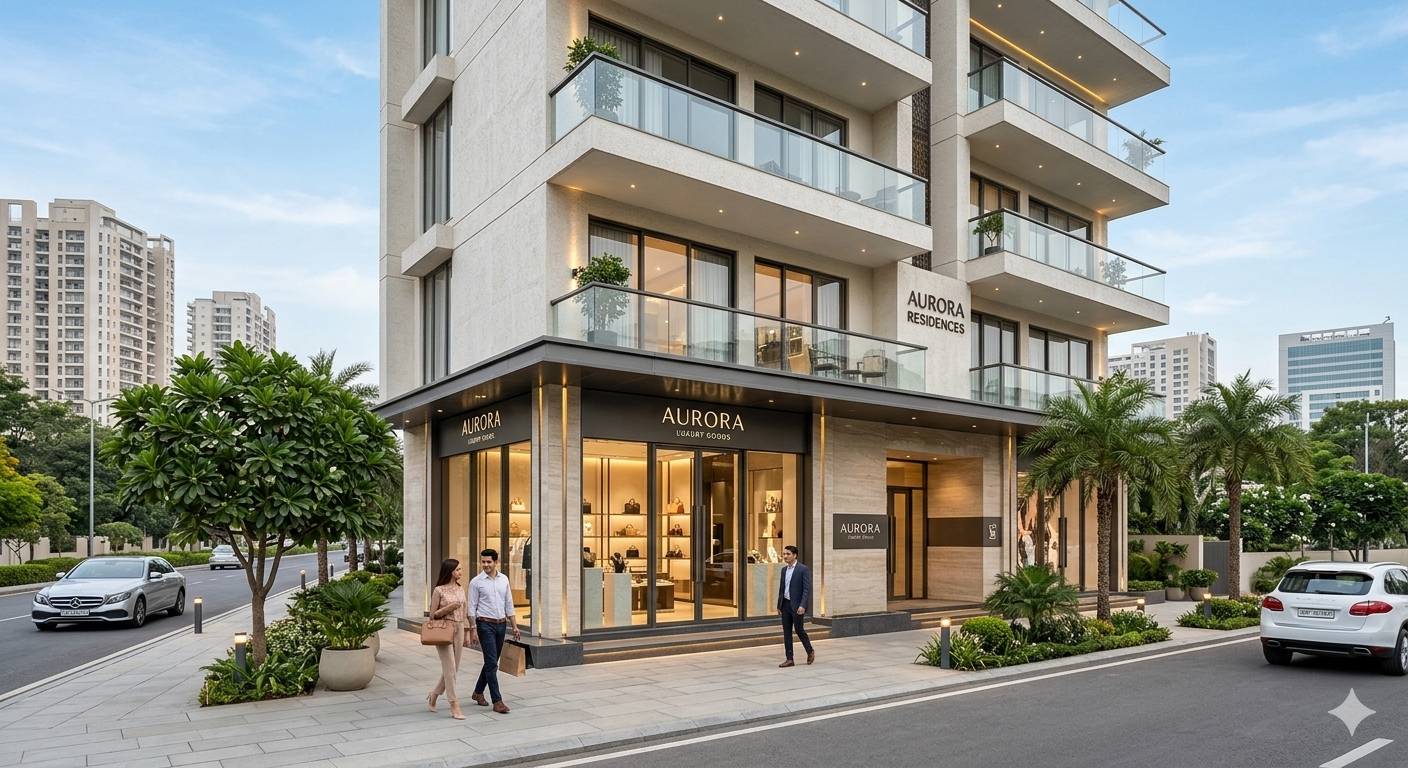
The primary driver behind this movement is the rapidly changing urban character of arterial corridors like Golf Course Road, Dwarka Expressway, and premium blocks across DLF Phases 1–5. Wide arterial networks, massive vehicular movement, and shifting demographic needs have made residential-only use highly impractical for properties bordering main roads.
Rather than engaging in persistent compliance battles with the Department of Town and Country Planning (DTCP), property owners are seeking a clear, win-win regulatory framework. Key reasons behind this initiative include:
- Legalizing Existing Infrastructure: Thousands of units already house high-end salons, premium gyms, corporate boutiques, and cloud kitchens that operate without formal commercial coverage.
- Willingness to Pay Conversion Fees: Owners are openly offering to pay government-prescribed conversion charges, composition fees, and infrastructure development levies to operate legally.
- Economic Realities: Commercial properties generate higher rental yields and sustain thousands of local jobs while contributing directly to state tax revenues.
The Regulatory Crossroad: Enforcement vs. Regularisation
This policy representation arrives during an aggressive, ongoing Q3 2026 enforcement campaign by the DTCP. Authorities have actively sealed over 240 illegal rooms and commercial setups across licensed sectors like Sushant Lok-1, South City-1, and Sushant Lok-3.
| Pros of a Formal Conversion Policy | Cons & Urban Planning Risks |
|---|---|
| Significant State Revenue: Generates immense funds via scrutiny fees and commercial development charges. | Utility Strain: Turning quiet residential units into high-density retail spaces can overburden local power grids and water supplies. |
| Increased Capital Appreciation: Substantially boosts property valuations and rental income for plot owners. | Parking Congestion: Visitors and delivery vehicles can overcrowd local internal sector roads. |
| Market Transparency: Eliminates underground commercial operations, giving corporate tenants legal lease security. | Zoning Conflicts: Disrupts the peace, privacy, and original design character of low-density residential areas. |
Investment Tips for Gurugram Property Owners

While the state considers this representation, investors looking to capitalise on commercial conversions within the Gurugram housing market must navigate current regulations carefully:
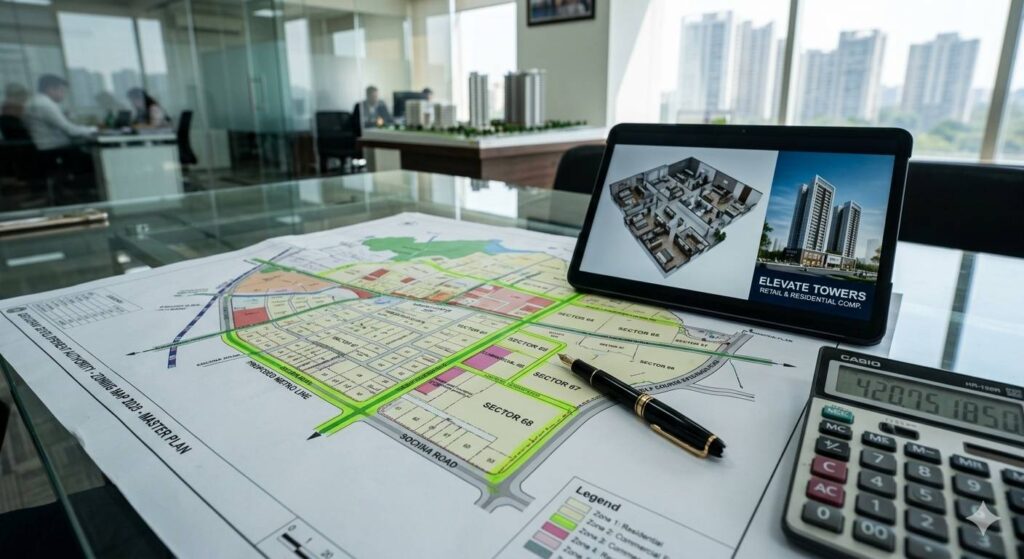
- Study the Existing 2023 Urban Reform Policy: Haryana already permits residential-to-commercial conversion for specific old municipal planned schemes (excluding HSVP and DTCP areas) under strict structural conditions, such as maintaining original Floor Area Ratio (FAR) and building heights.
- Monitor the Prohibited Activities Shift: Keep a close eye on recent DTCP draft amendments which propose moving from a rigid “permitted-use” model to a flexible “everything is permitted unless explicitly prohibited” framework.
- Resolve Existing Infringements Early: Avoid converting structural basements or stilt parking zones illegally. Ensure your current layout complies with basic safety and fire codes before applying for future regularisation paths.
The Path Forward for the Gurugram Housing Market
As District Town Planner Amit Madholia forwards this collective proposal to the state headquarters for evaluation, the eventual outcome will set a lasting precedent for mixed-use urban planning in India. Introducing a calculated conversion policy with strict criteria for road width, parking compliance, and utility management will elevate the maturity of the Gurugram housing market. It provides an organized path for the city to evolve naturally into a globally benchmarked, business-friendly ecosystem.
Maximize Your Real Estate Yields Safely
Navigating commercial zoning laws, evaluating land-use potential, and managing commercial transformations requires deep regulatory insight. Whether you are looking to acquire high-yield commercial assets or secure verified residential plots in Gurgaon, our real estate consulting team is here to guide you.
Connect with our property experts today:
📞 Call / WhatsApp us at:+91-88-606060-77
✉️ Submit an enquiry to receive an exclusive analysis of top legal, high-yield investment options in Gurugram.